developers’ Branded Architecture and the Contemporary Urban Image of Dubai
Originally published in: Horizons in Architecture and Urban Studies Journal, 1(1), p.p. 10–18. (2025). http://dx.doi.org/10.21622/HAUS.2025.01.1.1868
1. Introduction
Throughout modernity, architectural discipline has experienced a continuous renegotiation of its social, cultural, and aesthetic role. Starting from the beginning of the 20th century, in particular with the affirmation of the modernist avant-garde, architecture has set itself the ambitious objective of contributing to the improvement of the living conditions of the classes emerging from the industrial revolution. The functionalist and rationalist approach, emblematically represented by the Modern Movement and codified in the CIAM documents, was based on the belief that architecture could be a device for social reform, capable of responding ethically and systemically to the needs of a transforming society (Benevolo, 1960; Mumford, 1961). However, by the mid-20th century, this vision had already begun to show cracks. The protests of the countercultures of the 1960s, followed by the affirmation of Postmodernism and Deconstructivism, marked a fracture with the modernist paradigms, criticizing their universalism and formal abstraction. These movements introduced greater attention to the semantic plurality, context, and subjectivity of architectural experience (Jencks, 1977; Eisenman, 1987)
Finally, the advent of the digital era has inaugurated a new season of design experimentation: thanks to the use of parametric software and digital manufacturing tools, architecture has been able to explore complex morphologies and highly individualized languages, often more oriented towards aesthetics and formal innovation than towards the social responsibility expressed in the past. In this scenario of growing disciplinary ambiguity, in the variety of approaches and opinions, some editions of the Venice Architecture Biennale - the most influential international observatory on the evolution of contemporary architectural culture - have sought to reaffirm architecture’s ethical and civil dimension. At least in its initial intentions, the 2000 exhibition curated by Massimiliano Fuksas, entitled “Less Aesthetics, More Ethics,” emphasized the need to overcome formal self-referentiality to rediscover concrete social commitment. Similarly, and perhaps more incisively, in 2016, Alejandro Aravena, with “Reporting from the Front,” drew attention to marginal contexts and the challenges of decent living, while in 2018, Yvonne Farrell and Shelley McNamara, with “Freespace,” explored the concept of public space as eminently inclusive, underlining the responsibility of architecture in promoting equity and civic sense. These curations have witnessed a persistent tension - albeit not consistently effective - towards an architecture that recognizes its transformative potential for society and the environment (Crysler, Cairns & Heynen, 2012).
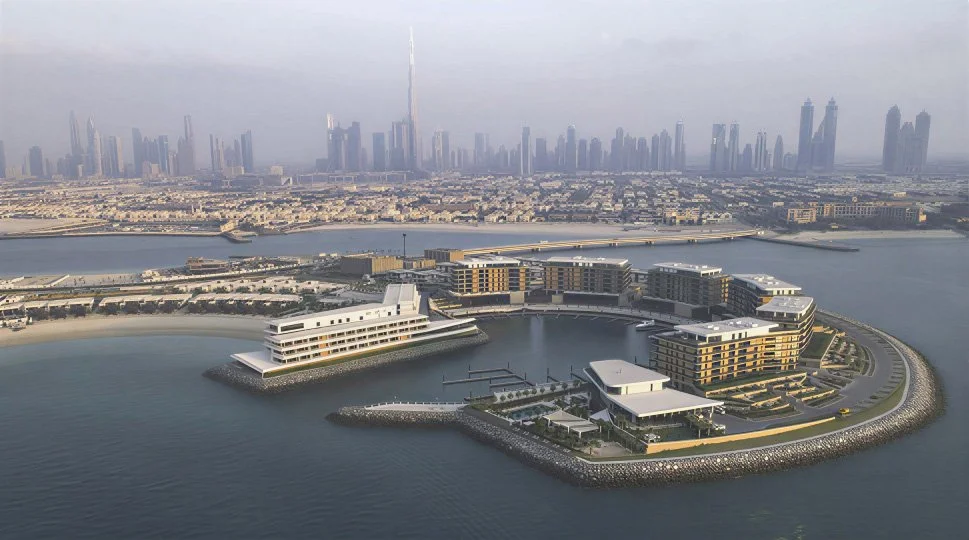
Figure 1. Bulgari resort & residences (Source ACPV architects website)
In recent years, however, in the global and hyper-consumerist context of the contemporary world, particularly in the expanding cities of the Arabian Gulf, architecture has taken on a new meaning: from a vehicle of universal social progress to a privileged tool for exclusive empowerment, often through the construction of the experiential value of commercial brands. In such contextual geographies, architectural space becomes a strategic platform for producing meanings and constructing symbolic relationships between consumers and brands. Commercial architecture is no longer simply a functional container that effectively repeats its clichés, but aspires to become a multisensory environment, capable of mediating emotions, values, and identity narratives (Klingmann, 2007). This transformation fits into the broader logic of experiential capitalism, where architectural form merges with emotional marketing to give life to immersive and performative devices (Pine & Gilmore, 1999).
Through materials, geometries, lights, sounds, and paths, the built environment thus becomes an extension of the brand’s language, a semiotic artefact that communicates authenticity, exclusivity, and symbolic coherence. In this sense, architectural identity is configured as a code of visual and spatial recognizability, which actively contributes to the construction of brand equity (Schmitt, 2010). The project of the architectural form takes on a narrative and relational function, capable of generating engagement and loyalty, stimulating a form of consumption that is no longer just transactional, but experiential and value-based. Architecture thus becomes a new grammar of desire, an aesthetic-economic device that organizes the perception and memory of the brand in urban space.
2. Branded Residences and the spectacularization of living: the case of Dubai
In the urban context of Dubai - a city emblematic of neoliberal transformation and spectacular urbanization - branded residences represent one of the most sophisticated expressions of the hybridization between architecture, the luxury real estate market, and experiential marketing strategies. These are residential complexes developed in collaboration with global luxury brands (fashion, automotive, hotels), where the home is no longer conceived only as a private and functional space, but as an aesthetic experience, status symbol, and object of aspirational consumption (Attuyer, Guironnet & Halbert, 2012). The phenomenon began only recently and is already showing significant numbers and impacts. In 2024 alone, the city launched 17 new branded residential projects, bringing the total to 121 developments and over 39,000 units distributed across the city. This intensification signals the growing value attributed to symbolic and narrative capital in contemporary real estate production. (Gulf Construction, 2025)
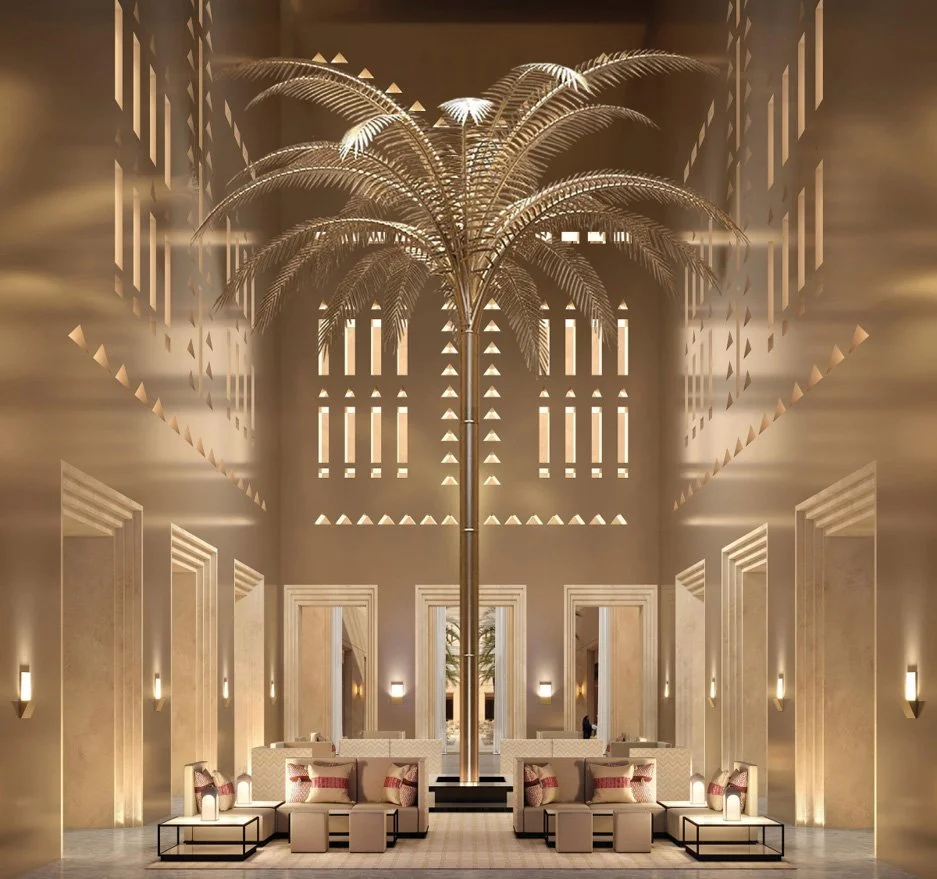
Figure 2. Armani hotel & residences, Diriyah, Riyadh (Source: Archello)
A particularly relevant aspect of the Dubai case is the ever-increasing emphasis on storytelling as a key tool for creating value. Unlike the traditional methods, a brand project is no longer successful by the only internationally recognized brand’s power but rather the latter’s ability to articulate a captivating narrative. The project must generate emotional resonance within the potential buyers, both as a planning instrument and as a marketing lever. A new typology is emerging within this trend: the standalone branded residence. These are residential developments, with no hotel components, in stark contrast to the earlier dominant hybrid models. In Dubai, approximately 78% of branded projects in the pipeline fall into this category, significantly higher than the global average of around 41% (Hotelier Middle East, 2024).
Thus, a “purified” model of branded residence is configured, in which the brand’s spatial identity, aesthetics, and philosophy prevail over the service logics typical of hospitality. Most significant is the growing diversification of stakeholders among the actors in this industry. More and more frequently, fashion, luxury, and car brands enter branded residence construction, but remain uninvolved in the management of the assets. Their contribution focuses on the curatorial aspects: architectural language, interior design, furnishing packages, and brand licensing. These collaborations redefine the branded residence as an expressive lifestyle device, in which the living space becomes an extension of the aesthetic and symbolic culture of the brand. This change is also indicative of the general trend in the real estate business of converting properties into products. In this sense, the standalone branded residence is configured as a relevant object of investigation, both for architectural research and for economic and socio-cultural studies on contemporary urban development.
Unlike traditional luxury residences, branded residences leverage the brand’s semiotic strength to add symbolic and commercial value to the property. The brand identity translates into coherent aesthetics, exclusive services, high-end materials, scenographic settings, and a codified lifestyle. Architecture thus becomes a physical and narrative extension of the brand image, while the act of living is transformed into a performance of distinction and belonging (Bourdieu, 1979; Twitchell, 2004).
In Dubai’s specific case, this dynamic takes on a paradigmatic form. The city has constructed itself, even physically, as a global showcase of hyper-capitalist modernity, where urban form is constantly redefined by spectacular real estate transactions, underpinned by narratives of excellence, innovation, and international desirability (Elsheshtawy, 2010). Within this ecosystem, branded residences such as Bulgari Resort & Residences, Armani Residences at Burj Khalifa, or Cavalli residences act as competitive positioning tools for developers and as symbolic governance devices of the urban landscape. Their diffusion responds to the logic of space production deeply intertwined with the financialization of living and the commodification of desire. The house is no longer just a refuge or identity space, but a financial asset and a platform for staging the self, intended for a globalized and mobile audience. According to Knox (2012), this “luxification of urban space” produces new geographies of inclusion and exclusion, strengthening dynamics of urban segregation disguised as aesthetics of excellence. From a design point of view, the branded residences in Dubai stand out for the use of highly iconic architectural languages and the construction of a sensorial imagery consistent with the brand’s narrative. Elements such as custom-made furniture, 24/7 concierge services, private spas, reserved lounges, and even selected ambient scents become tools for building an all-encompassing living experience. In this sense, architectural space is conceived as a habitable stage (Debord, 1967; Koolhaas, 2004), where every detail is calibrated to evoke exclusivity, comfort, and distinction.
The overall effect is twofold: on the one hand, an image of Dubai is consolidated as a hub of global luxury and extreme architectural experimentation; on the other hand, a form of selective urbanization is fueled, in which the quality of public space and the right to the city are subordinated to the logic of branding and real estate income. The city thus presents itself as a scenario of aestheticized consumption, where architecture becomes a vector of desire and a symbol of privileged access to social and economic capital. This trend raises critical questions about the future of urban living: What are the spatial and social implications of the spread of designer residences in contexts already characterized by profound socio-economic inequalities? How can the aesthetics of luxury and brands coexist —if they can— with the principles of inclusiveness, spatial justice, and urban sustainability?
3. Socio-environmental impact and redefinition of the urban image: the contradictions of branded exclusive residences.
The growing diffusion of branded exclusive residences not only represents a typological transformation or design innovation phenomenon but also produces significant and often problematic effects on the socio-environmental level and the symbolic configuration of the urban image. In the context of Dubai - a paradigm of a globalized, verticalized, and highly consumer-oriented city - such residential developments contribute to constructing a spectacular and elitist city, strongly marked by spatial and environmental exclusion processes.
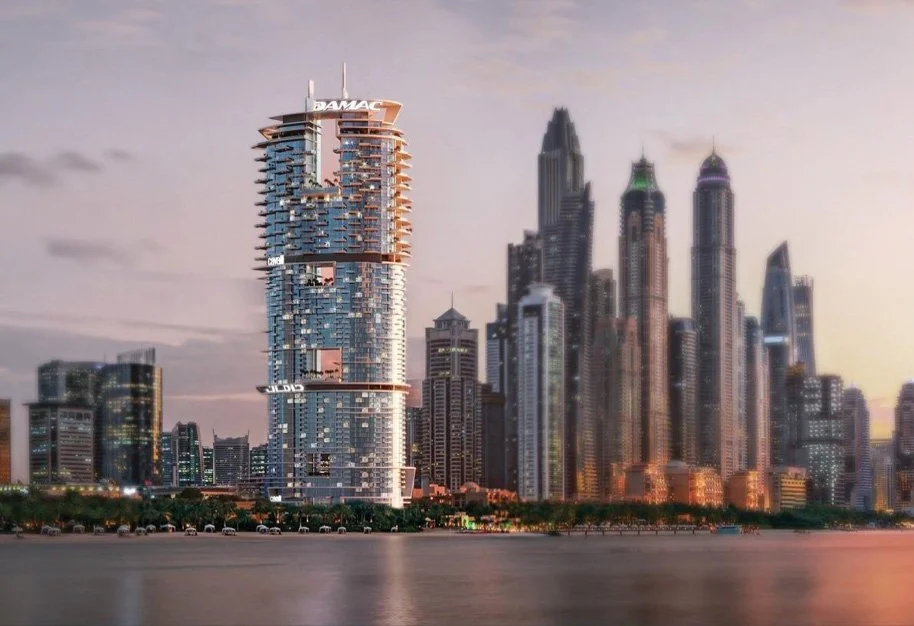
Figure 3. Cavalli tower (Source: Damac properties website)
From a socio-spatial point of view, branded residences act as selective access devices to the city. Their offer is aimed at an international target with a high economic profile - often foreign investors, mobile elites, or individuals with high financial resources - consolidating a fragmented and polarized urban model. Housing is transformed into an aestheticized and overserved privilege.
At the same time, large segments of the urban population (particularly, low-income migrant workers, who constitute a significant demographic component of the city) remain excluded from the benefits and opportunities deriving from real estate and infrastructure investments (Davis, 2006; AlSayyad, 2011). This process produces a “geography of invisibility” in which narratives of excellence and innovation mask inequality.
In environmental terms, branded residences often embody an unsustainable development model, based on high consumption of resources, energy intensity, soil waterproofing, and climate impacts connected to the construction and maintenance of hyper-conditioned environments. Luxury architecture, in its spectacular and performative sense, rarely adheres to the criteria of systemic environmental sustainability. However, it often resorts to greenwashing strategies through partial certifications or isolated technological solutions. In a desert territory like that of the United Arab Emirates, this approach risks exacerbating the environmental problems linked to water scarcity, desertification, and the urban heat island effect (Ghazal Aswad, 2019).
Finally, the impact on the city’s image is two-fold. Branded residences not only hugely contribute to Dubai’s reputation as a luxury city, but they can also be leaders in architecture, new languages, and cutting-edge technology. By being iconic buildings, they are the symbols of urbanity that can produce a global aesthetic for an international audience perceiving Dubai as a city of luxury, architectural creativity, and advanced modernity. These buildings become true landmarks; urban icons capable of conveying an aspirational international aesthetic. Architecture becomes a key component of the city’s branding strategy, strengthening the city’s competitive positioning on the global scene (Vanolo, 2008; Gospodini, 2004). On the other hand, this image tends to standardize local specificity, reducing the city to a series of “architectural postcards” that favor immediate recognizability to the detriment of the socio-cultural complexity of the territory. Branded residences often replicate aesthetic and stylistic models borrowed from other contexts (New York, London, Paris), contributing to a loss of authentic urban identity and a sort of “Disneyfication” of the urban landscape (Zukin, 1995).
The result is a city built on iconic fragments, devoid of urban continuity and poorly permeable to social and cultural diversity. Moreover, the emphasis on ultra-exclusive residential enclaves contradicts the potential of public space for interaction, inclusion, and social cohesion. The city risks being a place likely to break down into islands of privilege and zones of service provision, driving a segregative and potentially unstable urban form in the long term (Harvey, 2008). These contradictions pose central questions for the future of urban planning and architectural design, which I will investigate in the following paragraph.
4. Future perspectives
The Arab cities of the Gulf - in particular Dubai, Abu Dhabi, Doha, and Riyadh - today represent some of the most advanced laboratories of urban experimentation based on the spectacularization of the built environment and territorial branding. Metropolitan development is conceived as a response to functional or demographic needs and a strategic operation of symbolic and competitive positioning in global geography. This trajectory, begun at the end of the last century, has profoundly reconfigured these cities’ urban identity, privileging architectural processes of consumerism, landscape symbolic manipulation, and residential exclusivity. Such strategies’ effects and evolutionary potential are now the object of a critical examination.
A first potential transformation concerns the need to rebalance between image and substance. If in the recent past, city branding has often translated into a race to build architectural icons and exclusive neighborhoods - symbols of modernity and economic success - the future may require greater attention to the widespread quality of urban space, environmental resilience, and social inclusiveness. In this sense, the possibility of a transition from “performative branding” to “substantial branding” emerges, in which the reputation of a city does not depend only on what it shows, but on what it achieves in terms of collective well-being, sustainability, and spatial justice (Jivén & Larkham, 2003).
A second transformation trajectory concerns the redefinition of urban design methods. The use of global brands and international architecture firms has contributed to making Arab cities “showcases of architectural globalization” (Bagaeen, 2007), but has often generated discontinuous, hybrid, sometimes culturally unanchored urban landscapes. Future generations of urban intervention can look toward more integrated and contextual typologies, capable of amplifying the territory’s environmental, climatic, and cultural features. Taking inspiration from design models saturated with urban vernacularism principles, climate adaptation, and social cohesion can be a viable alternative to the paradigms of symbolic consumption and aesthetic standardization.
In parallel, Arab cities are exploring new branding narratives related to the ecological and digital transition. Initiatives such as the Saudi Vision 2030 plan, innovative city projects such as NEOM, or the growing emphasis on environmental certifications and smart technologies indicate a political will, at least apparent, to redefine the prevailing urban model, orienting it towards more sustainable, interconnected, and future-oriented forms. However, the question remains about how far these visions can translate into structural transformations that include the most vulnerable segments of the urban population, avoiding the reproduction of new inequalities disguised as innovation (Doherty, 2020). A further area of evolution concerns the construction of new urban citizenship. Branding strategies, which traditionally have been aimed at investors and visitors, can be recombined to involve citizens, especially younger generations and migrant communities, actively. Plans for participation, equitable access to service, clean transportation, and good housing can become pillars to make the urban project not only appealing but also equitable and inclusive.
Finally, it is plausible that Arab cities of the future will seriously and increasingly face the challenges of climate change and resource scarcity. In this scenario, adopting urban strategies capable of combining branding and sustainability, such as bioclimatic design, the regeneration of desert landscapes, intelligent use of water resources, and strengthening collective transport systems, could become a distinctive and competitive element. Sustainability, from a narrative accessory, must become a structural element of the urban brand. Suppose Dubai and other Arab cities can reinterpret the potential of branding as a tool for economic attraction and a lever for social and environmental innovation. In that case, they can contribute to the definition of new paradigms of post-global urbanity, capable of responding to the complex challenges of the 21st century with more equitable, resilient, and context-rooted architectural and spatial solutions.
5. Conclusion
In the past decades, urban planning and architecture in the Gulf Arab contexts have witnessed astonishing changes, fueled by urban branding strategies and increasing interdependence among built environments, symbolic consumption, and global visibility. The evolution of branded exclusive residences represents one of the most evident manifestations of this paradigm: buildings and residential complexes that not only offer a luxury habitat but are configured as identity narrative devices for global brands and territorial marketing tools for cities in search of competitive positioning.
Nevertheless, this paradigm has promoted strong socio-environmental tensions. Using a hyper-iconic and privilege-derived architectural language tends to generate exclusive urban forms, stretching social polarization and spreading an aestheticized image of the city that cannot absorb elements of inclusivity, equity, and ecological sustainability. Branded housing, though enhancing the reputation of a cosmopolitan and developed modernity, undermines local contexts’ cultural recognition, triggering homologation and detachment processes. With these dynamics in place, the fate of Arab cities that venture into urban branding will be shaped mainly by whether they can evolve into more integrated, adaptive, and inclusive systems. If urban branding can transform itself from a simple marketing operation into a planning tool to improve urban living conditions, enhance local identity, and address environmental challenges, it could constitute a strategic resource for a new post-global Arab urbanism. Otherwise, the risk is perpetuating a spectacular but fragile city fragment, where architecture progressively loses its civil and cultural function in favor of a purely extractive and symbolic logic.
In this scenario, contemporary architecture’s task can only be to re-establish its public role, reaffirming the project’s ethical dimension as an instrument of social and environmental transformation. Only in this way will the cities of the Gulf—and, more generally, the metropolises that adopt branding as a development lever—be able to become true laboratories of sustainable urban innovation beyond the surface of the image.
References:
AlSayyad, Nezar . 2011. Cairo: Histories of a City. First edition. Cambridge, Massachusetts (MA), USA: Harvard University Press.
Attuyer, Kevin , Antoine Guironnet, and Ludovic Halbert. 2012. “Turning Disused Real Estate into Financial Assets: Strategic Behaviour and Risk Assessment by Developers in the Paris Office Market.” Urban Studies 49 (16): 3521–40.
Bagaeen, Samer . n.d. “Brand Dubai: The Instant City; or the Instantly Recognizable City.” International Planning Studies 12 (2): 173–97.
Benevolo, Leonardo. 1960. Storia dell’architettura moderna. Bari, Italy: Laterza.
Bourdieu, Pierre . 1979. La distinction. Critique sociale du jugement. Paris, France: Les Éditions de Minuit.
Crysler, Catherine G. , Stephen Cairns, and Hilde Heynen. 2012. The SAGE Handbook of Architectural Theory. London, UK: SAGE.
Davis, Mike . 2006. Planet of Slums. London, UK: Verso. Debord, Guy . 1967. La Société Du Spectacle. Paris France: Buchet-Chastel.
Doherty, Michael . 2020. “Smart Urbanism and Its Discontents in the Gulf: The Case of NEOM.” City 24 (1–2): 190–202.
Eisenman, Peter . 1984. “The End of the Classical: The End of the Beginning, the End of the End.” Perspecta 21: 154–73.
Elsheshtawy, Yasser. 2009. Dubai: Behind an Urban Spectacle. 0 ed. Routledge. https://doi. org/10.4324/9780203869703.
Ghazal Aswad, N. 2019. “Environmental Sustainability in the Gulf Cities: Myth or Opportunity?” Urban Climate 29.
Gospodini, Aspa. 2004. “Urban Morphology and Place Identity in European Cities: Built Heritage and Innovative Design.” Journal of Urban Design 9 (2): 225–48. https://doi.org/10.1080/1357480042000227834.
Goveas, Bina. n.d. “Has Dubai’s Branded Residences Boom Reached Its Peak?” https://gulfconstructiononline. com/ A rticle T A ?id=29 4431&t it le =Ha s- Dubai%E2%80%99s-branded-residences-boom-reached-its-peak.
Harvey, David . 2008. “The Right to the City.” New Left Review Ltd, no. 53: 23–40.
Jencks, Charles . 1977. The Language of PostModern Architecture. First edition. New York, USA: Rizzoli, New York.
Jive´n, Gunila, and Peter J. Larkham. 2003. “Sense of Place, Authenticity and Character: A Commentary.” Journal of Urban Design 8 (1): 67–81.
https://doi.org/10.1080/1357480032000064773.
Klingmann, Anna . 2007. Brandscapes: Architecture in the Experience Economy. First edition. Cambridge, Massachusetts, USA: The MIT Press, Cambridge, MA.
Knox, Paul L. . 2010. Cities and Design. London / New York: Routledge.
Koolhaas, Rem . 2004. Content. Cologne (Köln), Germany: Taschen.
Mumford, Lewis . 1961. The City in History: Its Origins, Its Transformations, and Its Prospects. New York, USA: Harcourt, Brace & World, New York.
Pine, B. Joseph , and James H. Gilmore. 1999. The Experience Economy: Work Is Theatre & Every Business a Stage. Boston, Massachusetts, USA: Harvard Business School Press, Boston, MA.
Schmitt, Bernd. 2011. “Experience Marketing: Concepts,FrameworksandConsumerInsights.” Foundations and Trends® in Marketing 5 (2): 55–112. https://doi.org/10.1561/1700000027.
The Future of Branded Residences in Dubai: Standalone, Upper-Upscale and Smaller Projects - Hotelier Middle East. 2024. March 11, 2024.
https://www.hoteliermiddleeast.com/ people/the-future-of-branded-residences-in-dubai-standalone-upper-upscale-and-smaller projects.http://dx.doi.org/10.21622/HAUS.2025.011.1868
Twitchell, James B.2004.Branded Nation: The Marketing of Megachurch, College Inc., and Museum world. New York, NY, USA: Simon & Schuster, New York.
Vanolo, Alberto.2008. “The Image of the Creative City: Some Reflections on Urban Branding in Turin.” Cities 25 (6): 370–82. https://doi.org/10.1016/j. cities.2008.08.001.
Zukin, Sharon . 1995. The Cultures of Cities. 1st edition. Blackwell (WileyBlackwell), Oxford / Cambridge, MA.